Deutsch
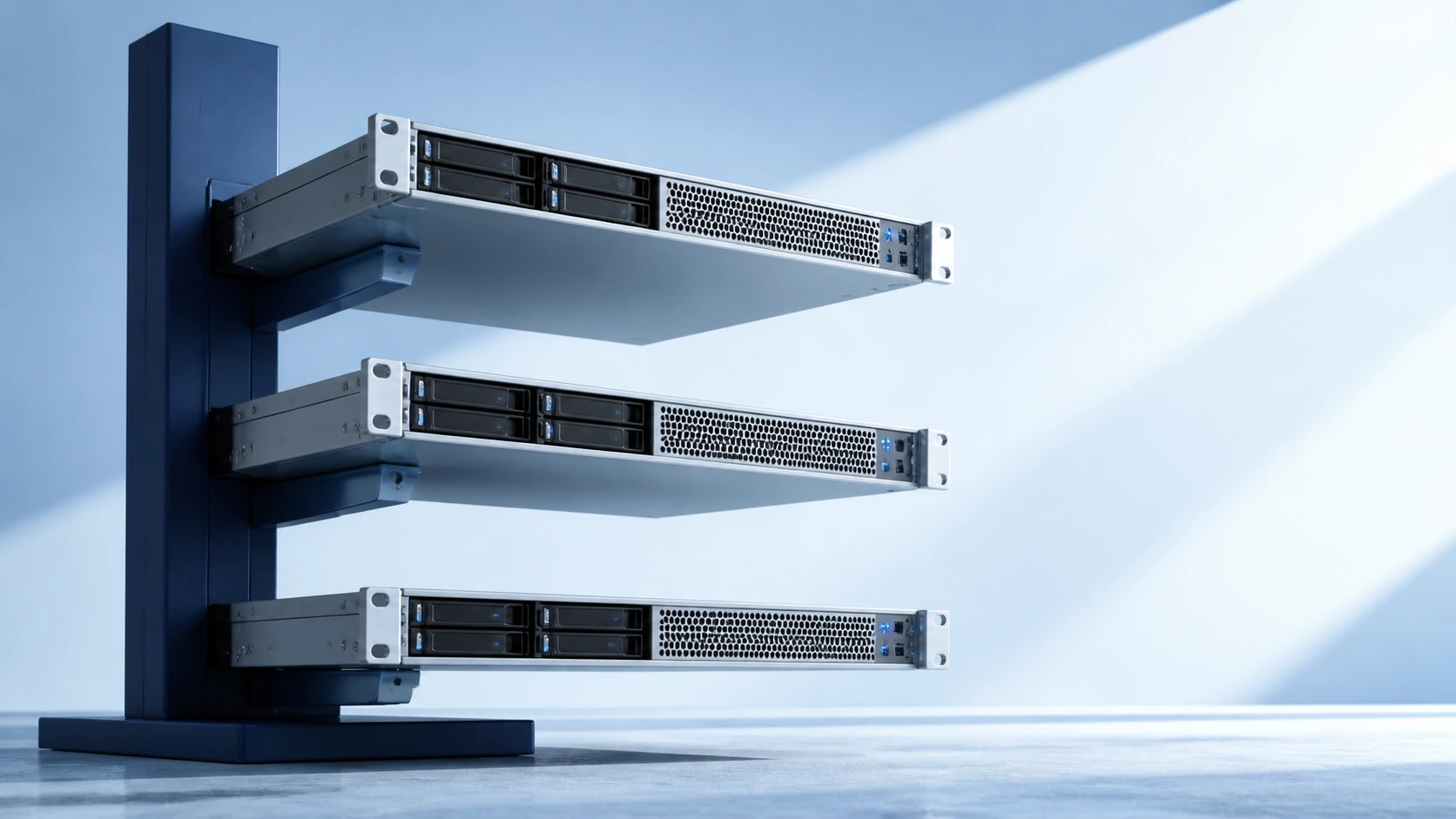
High availability for WordPress means keeping the site usable when part of its infrastructure fails. Adding a second VPS can help, but only if it can serve the same code, content and user state as the first.
Plan the web servers, database, uploads, cache and traffic routing together. For each component, decide how a failure will be detected, what takes over and how much interruption or data loss the business can accept.
Start with the site you have
Document where WordPress, its database and uploaded files live. List plugins that write to disk, scheduled jobs, cache directories, DNS records, TLS certificates and backup locations. Identify sessions, carts or other state that must survive a request moving to another server.
These details expose problems that a second web server cannot solve by itself. A plugin installed manually on one node will be missing on another. A locally stored upload may appear or disappear depending on which server handles the request. A scheduled task can run twice if every node starts it independently.
Set a recovery time objective, meaning the longest acceptable interruption, and a recovery point objective, meaning the amount of recent data you can afford to lose. Use those targets to decide whether you need automatic failover, a standby or a faster rebuild process.
For supporting plans, see the guides to VPS backups, backup and recovery questions, VPS security and traffic spike preparation.
How the components fit together
A common design routes visitors through DNS to a load balancer, which sends requests to healthy WordPress web nodes. Those nodes use the same database and can all read uploaded media. An object cache reduces repeated database work, while independent backups preserve recoverable copies outside the running system.
Monitoring checks the whole request path and each dependency. Redundancy also needs separate failure domains: two VPSs on the same host or dependent on one storage system can fail together. Confirm placement options before treating multiple servers as independent protection.
Layer 1: load balancer
A load balancer distributes requests among healthy web nodes. NGINX, HAProxy or a suitable managed service can perform this role. Decide how health checks distinguish a functioning WordPress site from a web server that merely answers a connection.
Plan TLS termination, trusted forwarding of client IP addresses and any session persistence. Only trust proxy headers from known proxies, so clients cannot supply false addresses to logs or access controls.
The load balancer needs its own recovery or redundancy plan. One balancer in front of several nodes is still a single point through which all traffic passes. DNS changes can help with recovery, but cached records mean they do not switch every user immediately.
Layer 2: WordPress web nodes
Deploy the same WordPress, theme, plugin, PHP and web-server versions to every node. Keep environment values consistent where required, while storing secrets outside public files and source control.
Use a repeatable release process instead of editing one node manually. Decide how database migrations and plugin updates interact with nodes still running the previous release. Drain a node from traffic before maintenance and confirm it is healthy before returning it.
A replaceable web node should not hold the only copy of user content. Keep durable data in the appropriate shared service and document how to rebuild the node from code and configuration.
Layer 3: uploads and generated media
Every web node needs access to uploaded media. Shared network storage, object-storage integration or a controlled replication process can provide it, but each has different failure behaviour.
Shared storage can preserve filesystem access while becoming a critical dependency. Object storage requires compatible WordPress and plugin integration. Replication requires decisions about lag, conflicts and which node may write.
Include thumbnails, exports and plugin-generated files. Separate files that must be preserved from temporary files that can be regenerated, then test an upload on one node and retrieval through another.
Layer 4: database availability
WordPress stores posts, users, settings, comments, orders and much plugin data in its database. A replica or database cluster needs a clear write owner and a procedure for promoting a replacement.
Define how replication lag affects possible data loss, how clients discover the new primary and how the old primary is prevented from accepting conflicting writes. Automatic promotion without fencing or reliable coordination can create split-brain behaviour.
Test connection recovery and in-flight transactions during failover. A managed database can reduce some operational work, but its availability, backup and recovery options still need to match the site.
Replication does not replace backups. It can copy an accidental deletion or bad application change as quickly as legitimate writes.
Layer 5: object cache
A persistent object cache, such as Redis with a compatible WordPress integration, can reduce repeated database work. A shared cache can also give web nodes a consistent place to reuse cached objects.
Monitor memory, connections, hit rate and evictions, and isolate cache keys between sites. Test what happens when the cache becomes unavailable. The site may become slower, fail requests or need intervention depending on the integration; do not assume it always falls back cleanly.
Keep durable business data out of a cache-only recovery design. If a plugin uses the same service for sessions or queues, treat those records according to their persistence requirements.
Layer 6: sessions, carts and scheduled work
Test logged-in users, carts, checkout, membership access and other personalised paths across nodes. Shared WordPress configuration, including the required authentication keys and salts, must remain consistent. Cache rules must prevent one user's content from being served to another.
Sticky sessions keep a user on one node, but they do not preserve local session state when that node fails. Prefer a shared state design when the application supports it, and test the relevant plugins rather than assuming compatibility.
Give scheduled jobs a defined owner or a coordination mechanism. Confirm that failover does not run imports, notifications or payments twice, and that jobs resume when their original worker disappears.
Layer 7: backups and restore testing
Back up the database, uploads and required configuration to storage that remains accessible if the running cluster is lost. Document retention, encryption, credentials, DNS, TLS and the steps needed to rebuild scheduled work.
Restore into an isolated environment and measure how long recovery takes. Check database and media consistency, recent orders or changes, and the ability to log in. Keep the restore process usable even when a primary administrator or account is unavailable.
Redundancy helps with some component failures. Backups also address accidental changes, corruption and a failed release that affects every node.
Layer 8: monitoring and alerting
Check the public site from outside the server network, including an application response where appropriate. Monitor the load balancer, every web node, PHP errors, database availability and replication lag, cache health, resources and TLS expiry.
Track backup success and the date of the last successful restore test. Send alerts to someone with access and a recovery procedure.
Distinguish a public outage from lost redundancy. If one node fails while traffic continues, the site may still work, but it has less protection against the next failure.
Choose an architecture your team can operate
| Pattern | How it works | Main responsibility |
|---|---|---|
| Active-passive | One stack serves traffic; a standby can take over | Keep standby data current and test promotion |
| Multiple web nodes | A balancer serves several nodes using shared state | Keep code, media and sessions consistent |
| Managed database with VPS web nodes | A separate service handles the database tier | Verify service terms, connectivity and recovery |
| Cluster with redundant shared services | Web, database, media and other dependencies have failover arrangements | Coordinate failures, updates and observability across layers |
Multiple web nodes with one unprotected database improve web-tier resilience but leave database failure unresolved. Match each design claim to the failures it actually handles.
Test the failure paths
Run controlled tests in an isolated environment before production, with owners and stop conditions. Then schedule any necessary production exercises within agreed limits.
- Remove a web node and check public traffic, logins and carts.
- Fail the load-balancer path and measure how clients recover.
- Promote the database replacement and check writes, lag and reconnection.
- Interrupt the cache and verify the documented fallback or recovery.
- Interrupt media access, then confirm uploads and generated files recover consistently.
- Restore database and media backups together.
- Roll back a failed release and check scheduled jobs for missed or duplicate work.
- Confirm that monitoring distinguishes an outage from reduced redundancy and that DNS and TLS procedures are usable.
Record the interruption and any data loss. A diagram showing redundant components does not establish that these tests will pass.
Decide whether the extra complexity is worthwhile
High availability is useful when downtime carries a significant cost or routine maintenance is difficult to schedule. Each extra component also needs updates, access controls, monitoring, recovery and someone who understands it.
For a small site that can tolerate a short interruption, reliable backups, monitoring and a rehearsed rebuild may be the better investment. For a busy shop or service portal, tested failover may justify the additional cost. Revisit that decision after growth, incidents or major plugin changes.
Frequently asked questions
Can WordPress run across multiple servers?
Yes. The web tier can run on several nodes, provided code, configuration and shared state are handled consistently. Plugin behaviour, uploads, sessions and scheduled jobs need testing.
Is a load balancer enough?
It distributes traffic, but the database, media and balancer itself still need recovery plans. It cannot make local files or sessions available on another node by itself.
Does object storage replace database failover?
No. Object storage can hold media or backup files with a suitable integration. WordPress database writes still need their own availability and recovery design.
Are backups still necessary?
Yes. Replication can carry damaging changes to every replica. Independent copies and successful restore tests cover failures that redundant running servers cannot.
A sized plan for this workload
Check the allocation against your workload. You manage the operating system and applications.
VPS L
For busy sites, databases and apps
- ✓ 8 cores
- ✓ 32 GB
- ✓ 200 GB NVMe
- ✓ Unlimited